System Architecture

The Cognitive Infrastructure

A unified, edge-first architecture designed for zero-latency decision making, secure swarm coordination, and seamless enterprise integration. Built for CTOs who demand absolute reliability.

High-Level System Topology

How data flows securely from the physical edge to the enterprise cloud.

The Mesh Swarm Layer.

Gridbrains robots do not rely on constant cloud connectivity to function. They form an intelligent, localized mesh network, executing commands and sharing telemetry peer-to-peer.

Redundant Connectivity

Units actively switch between Private 5G, Wi-Fi 6, and local peer-to-peer RF mesh depending on signal strength and environmental interference.

Cloud Command Layer

Aggregates metadata, orchestrates multi-site fleets, and serves the GridGuard/GridLogix dashboards via scalable, containerized microservices.
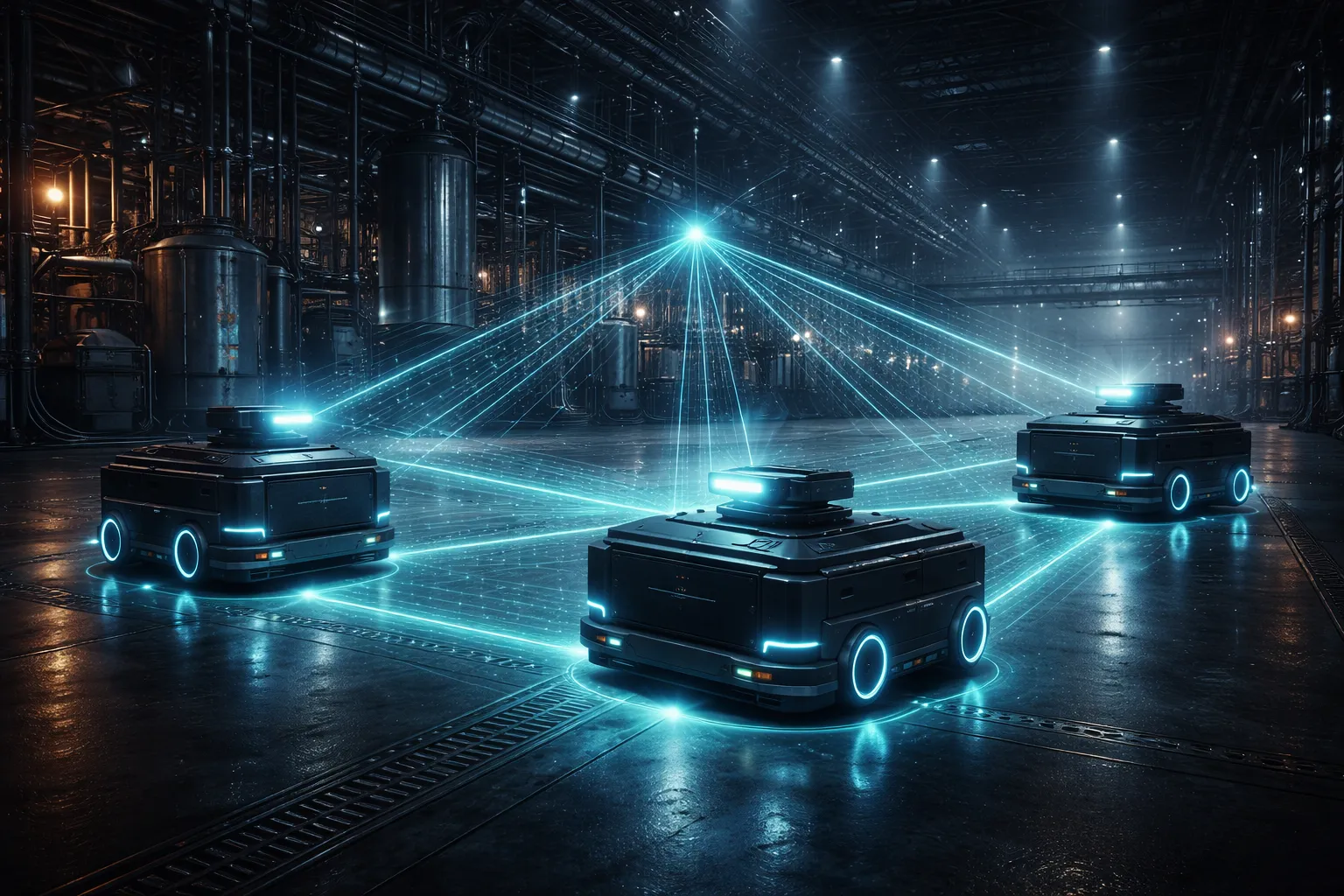
Conceptual diagram of localized mesh network swarm and redundant cloud connectivity layers
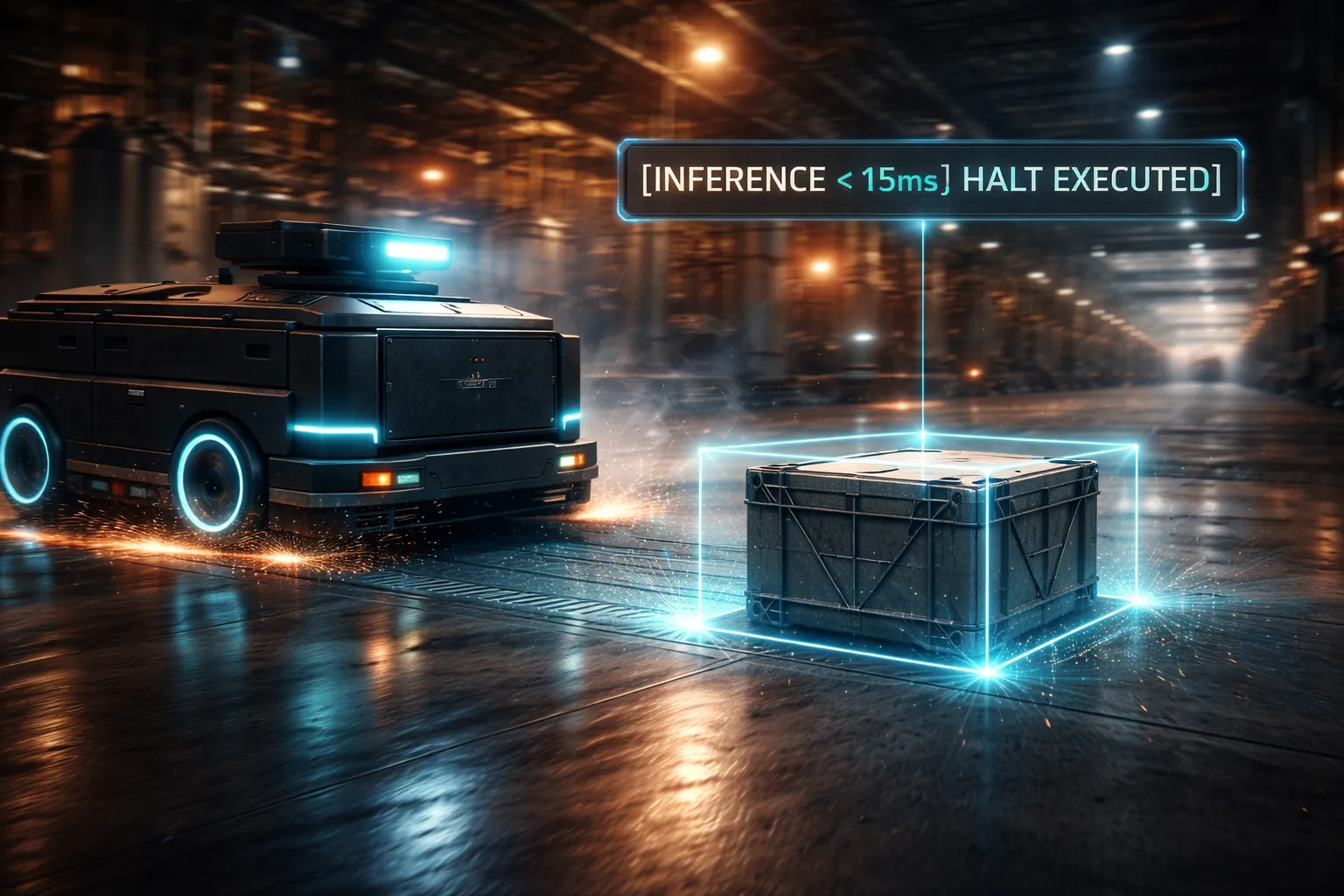
Onboard Neural Processing Unit (NPU) architecture for millisecond AI inference at the physical edge

Edge-First AI Processing.

IT buyers hate latency. Sending 4K video to the cloud for analysis is slow, expensive, and dangerous. We run heavy AI inference models directly on the robot's onboard Neural Processing Units (NPUs).

Millisecond Reactions

By processing threat detection and obstacle avoidance on the metal, the robot can react in under 15ms—vital for industrial safety.

Disconnected Autonomy

If the main facility internet drops, the robots don't freeze. They continue to patrol, navigate, and act on local security protocols autonomously.

Zero-Trust Security Framework

Mandatory protection for critical infrastructure deployments.

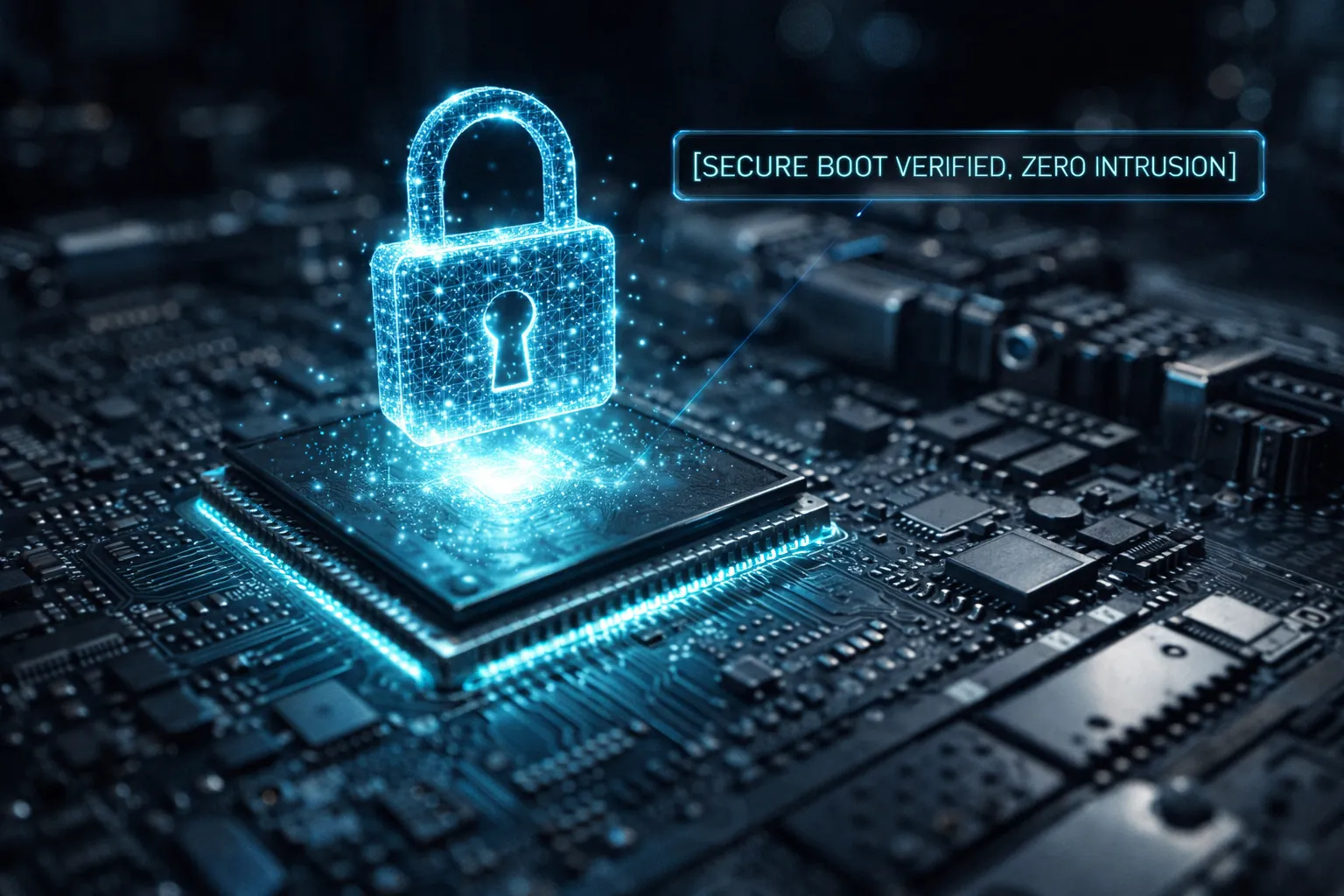
Cyber-Physical Protection.

If a robot is patrolling a power plant or moving across a factory floor, network security is a matter of physical safety. We assume all networks are hostile.

Data in Transit & At Rest

All telemetry and video streams are secured via AES-256 encryption over TLS 1.3. Onboard solid-state storage is fully encrypted to protect physical tampering.

Strict Authentication

Role-Based Access Control (RBAC) governs dashboard users. Robots utilize a hardware Root of Trust (RoT) for secure boot sequences, preventing malicious firmware hijacking.

Visual representation of cyber-physical security layers including AES-256 encryption and Root of Trust

Enterprise Integration & APIs

How Gridbrains handshakes with the software you already use.

API Bridge schematic showing native integration with VMS, ERP, and WMS platforms

The Universal API Bridge.

We don't force rip-and-replace deployments. The Gridbrains architecture is specifically designed to feed data into the legacy and modern enterprise systems your teams already rely on.

VMS Integration (Security)

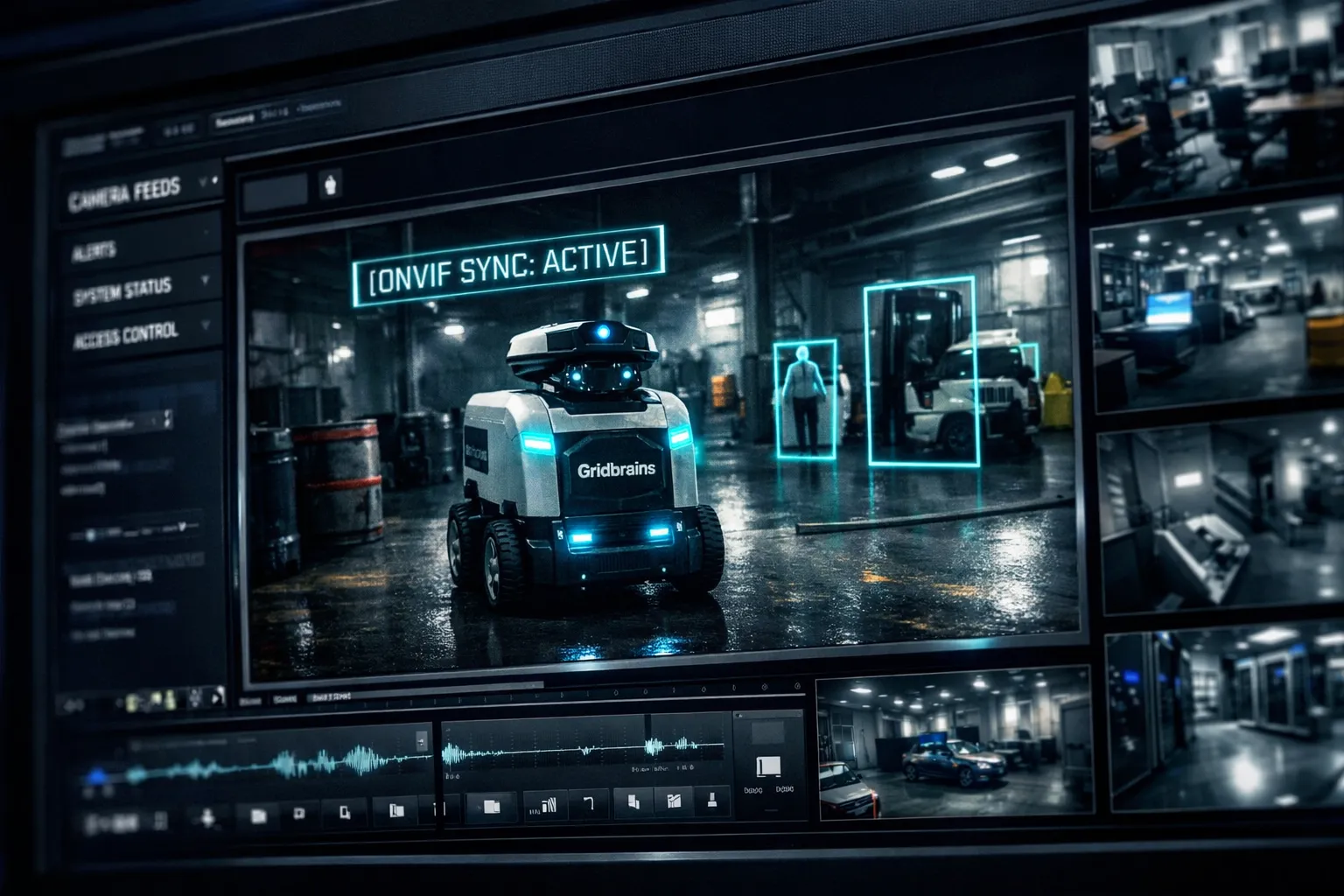
Native ONVIF Profile S/G/T compliance routes live Sentry video and threat metadata directly into Genetec, Milestone, and Avigilon.

WMS/ERP Integration (Logistics)

RESTful APIs and Webhooks allow bi-directional syncing of dispatch orders and inventory tracking with SAP, Oracle, and Manhattan Associates.

Developer & Integrator Specs

Quick-reference architectural details for IT implementation.

API Architecture RESTful endpoints (JSON), GraphQL, WebHooks for event-driven alerts
Real-Time Telemetry MQTT over TLS 1.3, WebSockets for live dashboard UI updates
Video Streaming RTSP, WebRTC (low-latency browser viewing), ONVIF S/G/T
Network Compatibility Private 5G (CBRS), LTE Fallback, Wi-Fi 6 (802.11ax), Mesh RF
Security & Auth OAuth 2.0 / OIDC, SAML for enterprise SSO, AES-256 Storage
Cloud Deployment Docker containerized microservices; compatible with AWS, Azure, GCP
On-Premises Option Available via localized Kubernetes clusters for fully air-gapped facilities
Edge Compute Hardware NVIDIA Jetson AGX Orin (or equivalent custom NPU architecture)